
Gaming can provide relaxation, challenge and social contact. It becomes problematic when school, work, sleep, health and relationships increasingly fade into the background.
Peggy-Sue considers the role gaming plays and helps restore balance, structure and connection.
Signs include lying about playing time, anger when limits are set, gaming at night, neglecting responsibilities and steadily losing interest in other activities.
Gaming can also become an escape from stress, insecurity, low mood or social anxiety.
Simply taking the computer away usually does not address the underlying need.
Recovery requires insight into triggers, clear agreements and support with feelings that the person previously avoided through gaming.
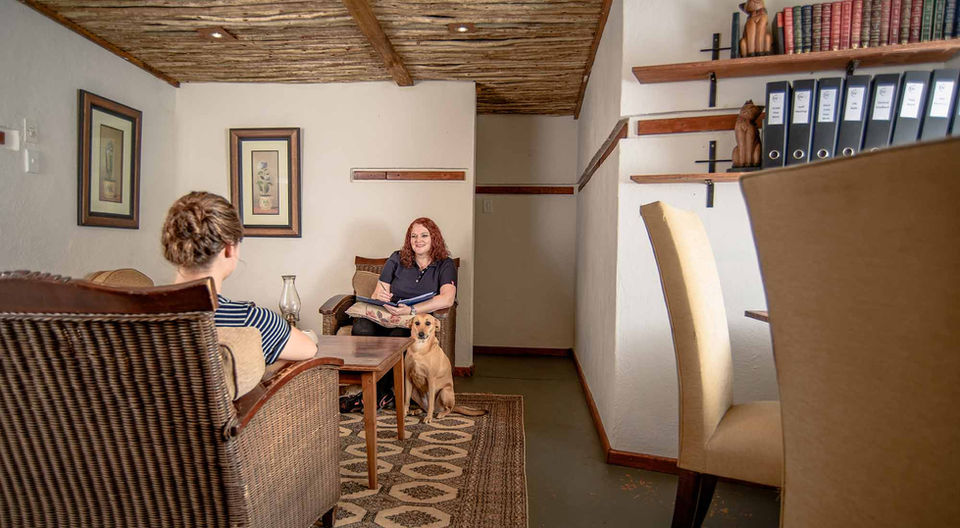

Peggy-Sue helps open up a conversation about the pattern without making conflict the focus.
Together, we consider the steps needed to establish structure and motivation and find appropriate treatment.
Are you concerned about gaming that seems impossible to stop? Contact us.
We help you consider an approach suited to the person and those around them.
Together, we consider appropriate help: outpatient treatment, residential treatment, detox, intervention or family support. The pathway is tailored to the situation and its urgency.

"I had to choose between two evils. It was either call Peggy-Sue or choose my illness. The support gave me direction again."
Saskia (aged 27)
"I truly needed that confrontation. My family and Peggy-Sue showed me that things could not continue this way."
Jordan (aged 33)
"Peggy-Sue helped me understand what addiction is and what recovery can look like in practical terms."
Victor (aged 22)